Commercial inspections are essential for property owners, investors, and business operators who want to protect their assets and ensure operational safety. A professional commercial inspection evaluates the structural integrity, systems, and compliance of business properties, helping stakeholders make informed decisions before leasing, purchasing, or maintaining commercial buildings.
Understanding Commercial Inspections
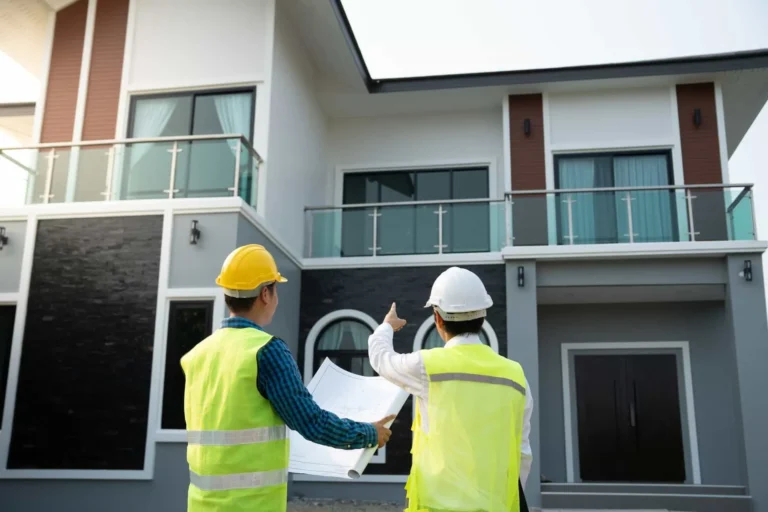
Commercial inspections involve a comprehensive review of a property used for business purposes. These properties include office buildings, retail stores, warehouses, industrial facilities, and multi-unit complexes. Inspectors assess major components such as roofing, structural systems, electrical infrastructure, HVAC units, plumbing, fire safety systems, and accessibility features.
The goal is to identify potential risks, maintenance issues, and compliance concerns that may affect business operations.
Why Commercial Inspections Matter
Commercial properties often involve larger investments and higher operational demands than residential buildings. Undetected issues can lead to costly downtime, safety hazards, and regulatory penalties. A commercial inspection helps uncover these concerns early, allowing property owners to address them before they impact business performance.
Additionally, inspections provide clarity during real estate transactions. Investors and buyers gain accurate insights into property conditions, enabling smarter financial decisions.
What Is Included in a Commercial Inspection
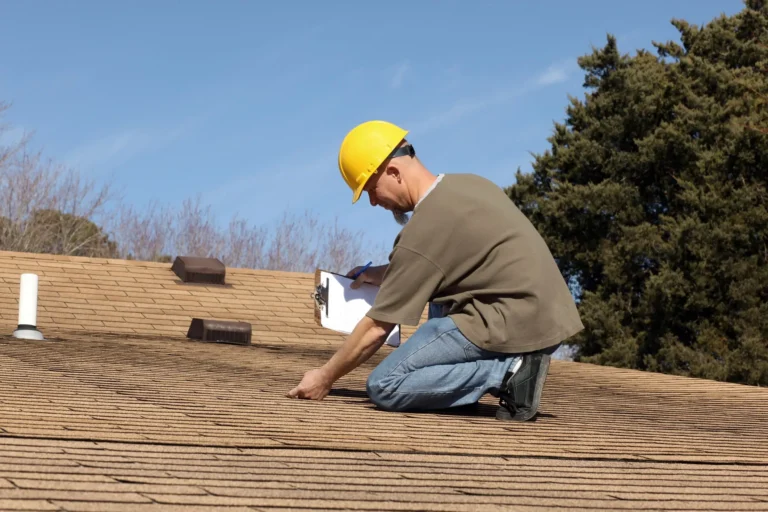
Commercial inspections typically evaluate building structure, roof condition, electrical systems, HVAC performance, plumbing, parking areas, accessibility, fire safety measures, and overall building maintenance. Inspectors also look for signs of wear, water intrusion, and code compliance concerns.
Detailed reports outline findings, highlight potential risks, and recommend corrective actions. These reports serve as valuable documentation for negotiations and long-term maintenance planning.
When to Schedule Commercial Inspections
Commercial inspections are recommended before purchasing or leasing property, during routine maintenance cycles, and after major renovations. Businesses planning expansions or property upgrades also benefit from inspections to ensure infrastructure can support operational needs.
Regular inspections help reduce liability risks and maintain compliance with safety standards.
Advantages of Professional Commercial Inspection Services
Professional inspectors bring expertise and specialized tools to evaluate complex systems. They understand commercial building requirements and provide thorough documentation. Their objective assessments help property owners prioritize repairs and allocate budgets effectively.
Commercial inspections also enhance workplace safety by identifying hazards such as faulty wiring, structural weaknesses, or HVAC issues. This proactive approach helps protect employees, customers, and business operations.
Conclusion
Commercial inspections are a critical step in managing business properties. They provide valuable insights, improve safety, and help avoid unexpected expenses. Whether buying, leasing, or maintaining a commercial building, professional inspections ensure informed decisions and long-term property performance.