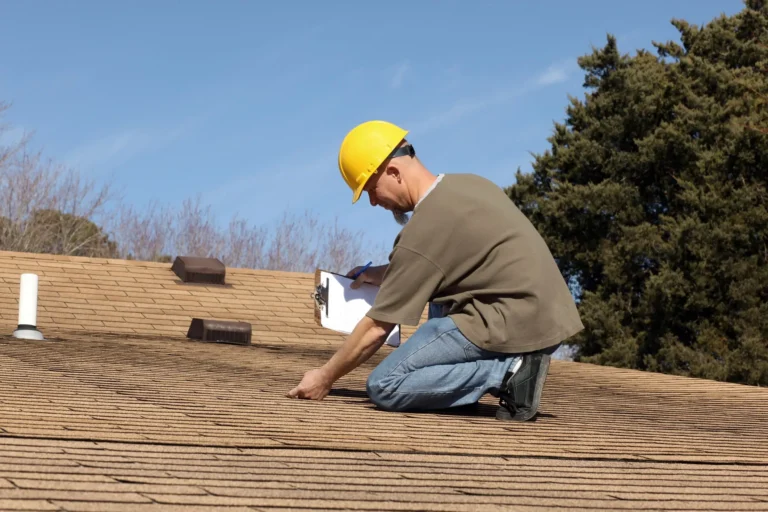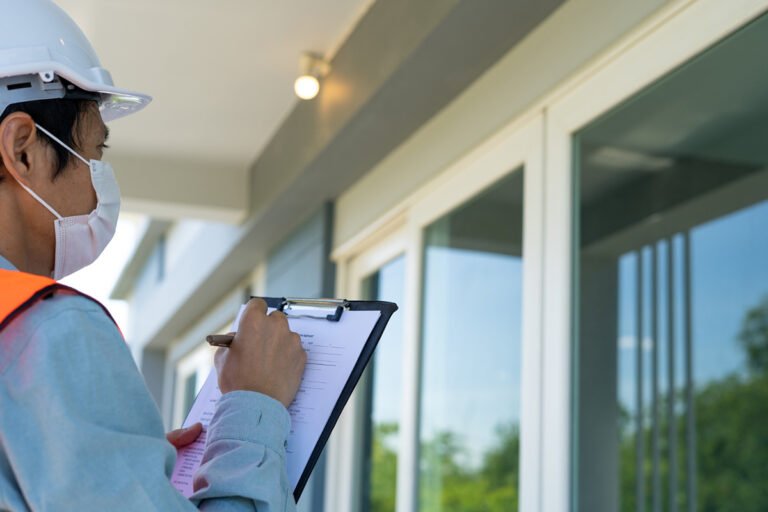
When buying, selling, or maintaining a home, residential inspections play a critical role in protecting your investment. A professional residential inspection provides a comprehensive evaluation of a property’s condition, helping homeowners and buyers understand potential issues before they become costly problems. Whether you are purchasing your first house or preparing to list your property, a thorough inspection ensures confidence and peace of mind.
What Is a Residential Inspection
A residential inspection is a detailed assessment of a home’s major systems and structural components. Inspectors examine everything from roofing and foundations to plumbing, electrical systems, HVAC, insulation, and interior features. The goal is to identify safety concerns, structural damage, maintenance needs, and potential repairs.
This process benefits both buyers and sellers. Buyers gain clarity about the property’s condition, while sellers can address issues before listing to increase market value.
Why Residential Inspections Are Important
A home is one of the largest investments most people make. Without proper inspection, hidden problems such as water damage, faulty wiring, or foundation cracks can lead to unexpected expenses. Residential inspections help detect these issues early, allowing homeowners to plan repairs and negotiate effectively during real estate transactions.
Professional inspections also improve safety. Identifying hazards like mold, structural instability, or outdated electrical panels helps protect families and reduce risks.
What Does a Residential Inspection Include
A comprehensive residential inspection typically covers the exterior, roof, attic, foundation, plumbing systems, electrical wiring, heating and cooling systems, doors, windows, insulation, and interior components. Inspectors carefully document their findings and provide a detailed report outlining recommendations.
This report becomes a valuable tool for decision-making. Buyers can negotiate repairs or price adjustments, and homeowners can prioritize maintenance tasks.
When to Schedule a Residential Inspection
Residential inspections are beneficial in several situations. They are most commonly scheduled before purchasing a home, but they are also helpful before selling, after major renovations, or as part of routine maintenance. Regular inspections help homeowners maintain property value and prevent minor issues from turning into expensive repairs.
Benefits of Hiring Professional Residential Inspectors
Hiring experienced professionals ensures accuracy and reliability. Certified inspectors use specialized tools and industry knowledge to identify hidden problems. They also provide unbiased evaluations, helping clients make informed decisions without guesswork.
Professional inspections save time, reduce stress, and offer confidence in the property’s condition. For buyers, this means fewer surprises after closing. For sellers, it means smoother transactions and improved buyer trust.
Final Thoughts on Residential Inspections
Residential inspections provide essential insights into a home’s condition. Whether you are buying, selling, or maintaining your property, a professional inspection ensures safety, protects your investment, and helps you plan for the future. Investing in a residential inspection today can prevent costly repairs tomorrow and give you peace of mind throughout the homeownership journey.